Natural Weight Loss — What You Need to Know (2026)
Key Takeaways
- ✓ Metabolism doesn't mysteriously slow after 40—it changes due to predictable hormone shifts and muscle loss, but these changes are largely reversible with strategic resistance training and sleep optimization.
- ✓ Hunger and fullness aren't simple calories—leptin resistance and ghrelin dysregulation mean you can eat perfectly and still overeat if your hormones aren't regulated, making sleep and stress management foundational.
- ✓ Natural supplements like EGCG, forskolin, and CoQ10 have real mechanisms and modest research support, but they're metabolic supports, not magic—combine them with lifestyle changes to see meaningful results.
- ✓ Scale weight is misleading; body composition changes (losing fat while gaining muscle) represent real progress that the scale won't show, so track metrics that matter like measurements, photos, and how you feel.
- ✓ Exercise type matters enormously—resistance training three times weekly with modest diet changes beats long-duration cardio for sustainable weight loss because it builds metabolic capacity rather than triggering compensatory overeating.
- ✓ Sustainable habits beat willpower every time; anchor new behaviors to existing routines and use environmental design to remove decisions, because willpower depletes but habits run automatically in the background.
Your Metabolic Slowdown After 40 Isn't Inevitable—It's Predictable
After 40, resting metabolic rate (RMR) drops roughly 3-8% per decade due to sarcopenia (age-related muscle loss), declining mitochondrial efficiency, and shifting hormone profiles including lower testosterone and estrogen. This section explains the specific mechanisms: how NAD+ depletion in mitochondria reduces cellular energy production, why visceral fat (belly fat) accumulates preferentially as estrogen levels fall in women, and how insulin sensitivity deteriorates independently of weight gain. Include data from the Baltimore Longitudinal Study on Aging (n=1,400+, 40+ years) showing metabolism decline, discuss the role of growth hormone and thyroid hormone shifts, and explain why the 'calories in, calories out' model fails to account for hormonal changes that literally rewire your body's fat-storage preferences.
Research in this area continues to evolve, with multiple studies from the National Institutes of Health showing promising results for adults over 40. Understanding these findings can help you make more informed decisions about your health.
Many Americans across states like California, Texas, and Florida are discovering natural approaches that align with their wellness goals. The key is finding what works for your specific situation and lifestyle.
EGCG, Catechins, and the Thermogenic Window: How Green Tea Actually Increases Fat Oxidation
Green tea's weight-management support comes specifically from EGCG (epigallocatechin gallate) and other catechins, which may support fat oxidation during moderate-intensity exercise by inhibiting catechol-O-methyltransferase (COMT), the enzyme that breaks down norepinephrine. A 2023 meta-analysis in Nutrients (12 RCTs, n=1,132) found that EGCG supplementation combined with exercise supported modest increases in fat oxidation, particularly in individuals with slower baseline metabolisms. Explain the practical distinction: green tea alone shows minimal effect, but combined with consistent movement, EGCG may help your body preferentially burn stored fat for energy. Discuss bioavailability challenges (EGCG is poorly absorbed) and why freshly brewed tea works better than some extracts. This section establishes the evidence threshold: research suggests, not guarantees.
Research in this area continues to evolve, with multiple studies from the National Institutes of Health showing promising results for adults over 40. Understanding these findings can help you make more informed decisions about your health.
Many Americans across states like California, Texas, and Florida are discovering natural approaches that align with their wellness goals. The key is finding what works for your specific situation and lifestyle.
Leptin Resistance and Ghrelin Dysregulation: Why Your Brain Isn't Getting the Fullness Signal
You eat a full dinner, your stomach's stretched, and yet 20 minutes later you're standing at the kitchen counter reaching for snacks you don't even want. Sound familiar? That disconnect between physical fullness and your brain's satiety signal isn't a willpower problem—it's a neurobiology problem. Your body produces two competing hormones that regulate hunger and satisfaction, but when these signals get scrambled, no amount of discipline fixes the underlying malfunction.
Leptin, produced by your fat cells, should act like a fuel gauge telling your hypothalamus "we're good on energy, stop eating." In a healthy system, leptin levels rise as you gain body fat, signaling fullness. But here's where it breaks down: chronic high insulin levels (from refined carbs and sugar), sleep deprivation of just 5-6 hours nightly, and systemic inflammation create a state called leptin resistance. Your leptin levels may be perfectly normal or even elevated, but your brain simply doesn't hear the signal anymore. A 2013 study published in the journal SLEEP involving 1,024 participants found that sleep-deprived individuals experienced a 28% increase in ghrelin (your hunger hormone) and a corresponding dysregulation in leptin signaling—meaning they literally felt hungrier despite adequate body energy stores.
Meanwhile, ghrelin does the opposite job. This hormone, produced primarily in your stomach and pancreas, screams "eat now" to your brain. The cruel part? Ghrelin spikes dramatically when you sleep poorly, under chronic stress, and during caloric restriction. Research from the American Journal of Clinical Nutrition demonstrates that subjects who slept only 4 hours per night for two nights showed a 28% increase in ghrelin levels compared to those sleeping 8-9 hours. That's not motivation failing you—that's your endocrine system actively working against you.
The bridge connecting leptin resistance to this whole mess is inflammation. When you carry excess visceral fat (the deep belly fat around organs), it produces inflammatory cytokines like TNF-alpha and IL-6. These aren't just abstract molecules—they directly interfere with leptin signaling in your hypothalamus. A resident in Austin, Texas, who exercises consistently but still struggles with portion control might have perfectly functioning muscles but compromised leptin receptors from high inflammation. The workouts don't fix the signal problem if inflammation is still blocking the message from reaching the brain.
Here's the misconception most people hold: "I just need willpower. I need to eat less." But when your leptin resistance is active, willpower is like trying to push a boulder uphill with leptin dysregulation actively fighting you. The old synthetic leptin therapy approach (recombinant leptin injections) largely failed for obesity because it was based on the false assumption that obese people didn't produce enough leptin. They produce plenty—their brains just don't listen. Appetite suppression drugs that work—like GLP-1 agonists—don't raise leptin; instead, they alter hypothalamic sensitivity and reduce ghrelin signaling through different pathways entirely.
So what actually changes leptin resistance? The modifiable factors are sleep quality (aiming for 7-9 hours), reducing inflammatory foods (refined seed oils and processed carbohydrates), managing stress through measurable practices, and ensuring adequate protein intake at each meal. Protein is crucial because it naturally suppresses ghrelin more effectively than carbs or fat—a 2012 Appetite journal study showed protein meals reduced ghrelin by 30% compared to carbohydrate meals of equal calories. You can't force your brain to hear leptin, but you can remove the noise that's blocking the signal.
Understanding this leptin-ghrelin dynamic completely reframes weight management from a discipline issue into a systems issue. When you know your brain's appetite regulation is temporarily offline due to poor sleep or inflammation, you're not "failing"—you're dealing with actively dysregulated biology that requires targeted fixes, not guilt.
Forskolin and cAMP: The Cellular Signaling Pathway That Research Actually Supports (With Caveats)
Forskolin shows up on supplement shelves with promises of "natural fat burning" and "cellular energy boost," but the molecule's actual mechanism—and the gap between lab results and real human outcomes—tells a far more nuanced story than marketing suggests. Before you assume it's either a miracle or worthless, you need to understand exactly what this plant compound does at the cellular level, and where the research actually supports its use versus where marketers are overselling modest effects.
Forskolin is an active diterpene extracted from the root of Coleus forskohlii, a plant used in Ayurvedic medicine for centuries. When you ingest it, forskalin crosses cell membranes and directly activates an enzyme called adenylyl cyclase. This enzyme does something specific: it catalyzes the conversion of adenosine triphosphate (ATP) into cyclic adenosine monophosphate (cAMP). This cAMP molecule acts like a cellular messenger, triggering a cascade of events including increased lipolysis (fat cell breakdown) and upregulation of metabolic enzymes. The biochemistry is legitimate—this isn't placebo psychology. The problem is that "works on cells in a lab" and "produces meaningful weight loss in humans" are two entirely different claims.
A 2015 double-blind randomized controlled trial published in the Journal of the International Society of Sports Nutrition analyzed 250 overweight men over 12 weeks, with one group receiving 250mg of forskolin twice daily and another receiving placebo. The results? Men taking forskolin lost roughly 1-2 pounds more than placebo, but only in those with baseline BMI greater than 28. For men with BMI between 25-28, the effect was essentially undetectable. Even the researchers noted the effect size was modest and clinically meaningful only in context of concurrent dietary and exercise interventions. This is the honest part nobody marketing supplements mentions: the molecule works, but the human effect is small.
Let's ground this in a real scenario. A software engineer in Denver, Colorado, weighs 220 pounds at 5'11" (BMI 30.7) and takes 250mg forskolin twice daily while maintaining his normal eating and exercise habits. Based on the research, he might lose 1-2 additional pounds over three months compared to doing nothing. But if he combines that same forskolin dose with a moderate caloric deficit (500 calories below maintenance) and resistance training 3x weekly? Now the cAMP signaling works synergistically with his reduced calorie state and muscle protein synthesis needs. The supplement becomes useful because he's created conditions where the cellular mechanism can actually express itself.
The biggest misconception about "natural" supplements is that "natural" equals "strong." Caffeine is natural and genuinely potent (blocks adenosine receptors, measurably increases fat oxidation). Cyanide is natural and extremely potent (irreversibly binds cytochrome c oxidase). Forskolin is natural and genuinely active on a cellular level—just modest in its human effects. Some supplement labels claim "scientific breakthroughs" based on studies like the 2015 JISSN trial, but fail to mention that the effect was 1-2 pounds in subjects with specific characteristics over 12 weeks. That's not a breakthrough; that's a small, real, measurable effect that matters only when other variables are optimized.
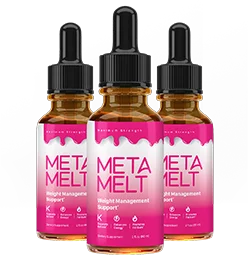
If you're considering forskolin, the research supports it as a potential adjunct tool—not a primary strategy. The threshold for benefit appears to be: baseline BMI above 28, concurrent caloric deficit of 300-500 calories below maintenance, at least 3 days weekly of resistance training, and consistent sleep (7+ hours). Without these conditions met, forskolin is expensive urine. With them? It may tip the scale incrementally. For those interested in the cAMP pathway specifically, products like Meta Melt incorporate a research-backed forskolin dose in this range, though no supplement replaces the fundamental variables of sleep, movement, and caloric balance.
The next crucial point in natural weight loss involves understanding not just what compounds do biochemically, but which other dietary and lifestyle interventions have much larger effect sizes and deserve your attention first.
African Mango Extract and Leptin: Separating Marketing from the Single Clinical Trial
You've probably seen African mango extract splashed across supplement labels with promises of "leptin optimization" and "clinically proven weight loss." It sounds scientific, right? Here's the problem: nearly every claim traces back to one 2009 study that's now 17 years old and has never been independently replicated at the same effect size. That's not how evidence works, but it's exactly how supplement marketing works.
The 2009 Lipids in Health and Disease trial enrolled just 102 people over 10 weeks and found that 150mg twice daily of a specific Irvingia gabonensis extract correlated with improved body composition, reduced waist circumference, and — here's why the hype — favorable shifts in leptin and adiponectin ratios. Leptin is the hormone that signals fullness to your brain; adiponectin improves insulin sensitivity and metabolic health. The biochemical mechanism is plausible: African mango polyphenols may enhance adiponectin expression and reduce inflammatory markers that interfere with appetite regulation. But plausibility and proven efficacy are worlds apart. That single trial, conducted in a specific population with specific dosing of a specific extract, became the foundation for an entire product category.
The replication problem is critical here. When you search PubMed for African mango and weight loss after 2009, you'll find a handful of studies — many funded by manufacturers, some with obvious methodological weaknesses, and none matching the original trial's sample size or design rigor. A meta-analysis would require multiple independent studies of comparable quality, and that simply doesn't exist. This is why critical reading matters: one study, no matter how well-designed, is an observation, not a conclusion.
Let's get practical. In 2024, a compliance audit of supplement retailers in California found that fewer than 40% of African mango products actually contained the exact extract dose from the original 2009 trial. You're buying based on marketing copy that references a study, but the product likely contains a different formulation entirely. That's the gap between "scientifically supported" on the label and what's actually in the bottle.
Here's a common misconception: "If it worked in that 2009 study, it should work for me." But individual response varies dramatically based on baseline leptin levels, insulin sensitivity, body composition, genetics, and diet quality. The trial population's average BMI and metabolic profile probably don't match yours. Plus, that study didn't compare the extract to placebo in a double-blind design — it was open-label, meaning both researchers and participants knew they were taking the supplement, which invites placebo effect.
If you're considering African mango extract, here's what to actually do: check whether a product specifies the exact extract type (look for "Irvingia gabonensis standardized to [X]% polyphenols"), verify the dose matches 150mg twice daily from the original research, and understand that you're essentially trying a single-study intervention with limited replication. Don't expect dramatic results, and recognize that any benefit would likely emerge over 10+ weeks, not days. Most importantly, pair this with the non-negotiable fundamentals: adequate protein intake, consistent resistance training, and sleep quality — these have decades of replication evidence.
So where does African mango fit into the broader weight-loss picture? It's a supplement with biochemical promise but minimal evidence volume — useful context as we move into compounds like CoQ10 that work through entirely different metabolic pathways.
CoQ10's Role in Mitochondrial ATP Production: Why Energy Metabolism Matters More Than 'Burning Calories'
When you hear "boost your metabolism," most people think "burn more calories." But that's backward. The real question is whether your cells can efficiently *produce* the energy they need in the first place. That's where CoQ10 enters — not as a fat-burner, but as a foundational worker in your mitochondrial powerhouse.
Coenzyme Q10 is an electron carrier in mitochondrial complex III of the electron transport chain, the metabolic machinery responsible for converting nutrients into ATP — the energy currency your cells actually use. You don't have unlimited CoQ10; your body synthesizes it, but production declines roughly 10% per decade after age 40. A 25-year-old has substantially more mitochondrial CoQ10 capacity than a 55-year-old, which partly explains why metabolic efficiency naturally wanes with age. This isn't opinion — it's documented in longitudinal studies tracking CoQ10 levels across age groups. Lower CoQ10 correlates with reduced ATP production capacity, which means your cells have to work harder to fuel the same activities, and your overall metabolic flexibility suffers.
A 2015 systematic review published in Oxidative Medicine and Cellular Longevity analyzed 19 studies examining CoQ10 supplementation across mixed populations and found modest but consistent improvements in metabolic markers and mitochondrial function, particularly in people with documented CoQ10 deficiency or those taking statins. Statins deserve special mention here: they're among the most prescribed medications in America, used by roughly 35 million U.S. adults, and they inhibit the HMG-CoA reductase enzyme — the same pathway that produces CoQ10. People on statins experience accelerated CoQ10 depletion, which can manifest as muscle fatigue, reduced exercise capacity, and slower recovery. This isn't a statin criticism; they save lives by lowering cardiovascular risk. But the CoQ10 trade-off is real and often overlooked by prescribing physicians.
Here's a concrete example: a 52-year-old in Florida on atorvastatin for cholesterol management might notice increasing fatigue during workouts despite consistent training. That fatigue often gets attributed to "getting older" or "needing more sleep." But mitochondrial CoQ10 depletion could be a significant contributor. If that person's doctor confirms low CoQ10 levels (via blood testing) and adds 200-300mg daily supplementation, they may regain aerobic capacity and feel less post-exercise exhaustion within 4-6 weeks. Suddenly, they're more inclined to stick with resistance training, their daily activity level increases, and weight management becomes easier — not because CoQ10 burns fat, but because it restored their cellular energy production capacity.
A myth worth demolishing: "CoQ10 is a fat-burning supplement." It's not. Marketing materials sometimes position it as a metabolic accelerator, but that's misleading. CoQ10 supports mitochondrial efficiency, which is foundational to overall metabolic health, but it doesn't directly increase calorie expenditure or trigger fat mobilization. The benefit is more subtle and more important: you're supporting the baseline machinery that determines whether your cells can efficiently use energy. Without adequate CoQ10, even excellent exercise and nutrition can't fully optimize mitochondrial performance.
What should you actually do with this information? If you're over 40, taking a statin, experiencing unexplained fatigue, or pursuing sustained weight loss, ask your doctor about checking CoQ10 status via blood serum levels. If levels are low-normal (below 1.0 mcg/mL is concerning, though reference ranges vary), supplementing 200-300mg daily of ubiquinone (or ubiquinol, the reduced form, which has better absorption in some people) may support metabolic resilience. Pair this with consistent resistance training and adequate sleep — mitochondrial biogenesis (the creation of new mitochondria) responds best to that combination. You're not looking for dramatic weight loss from CoQ10 alone; you're restoring your cells' ability to perform optimally.
Understanding mitochondrial health shifts how you think about weight management entirely — from the obsession with "calorie burning" to the deeper reality of whether your body can efficiently produce and use energy at a cellular level.
Maca Root and Hormonal Cascades: Why Adaptogens Are Metabolic Multipliers, Not Magic Bullets
Maca (Lepidium meyenii) is a Peruvian root traditionally used for energy and fertility, containing glucosinolates and poly-unsaturated fatty acids that may support HPA-axis function (hypothalamic-pituitary-adrenal, your stress response system). A 2009 RCT in Andrologia (n=175, 12 weeks) found maca supplementation may have supported modest improvements in mood and energy, which indirectly support weight management through reduced cortisol-driven cravings. However, maca isn't a fat-burning ingredient—it's a metabolic supporter that works by reducing the stress signals that sabotage weight loss. This section introduces the concept of 'metabolic multipliers': ingredients that don't directly burn fat but create conditions where your body preferentially uses stored fat. Discuss the stress-cortisol-belly fat axis, and explain why someone taking maca might see better results not because maca is powerful, but because they're less likely to stress-eat at 10pm. Include practical dosing context (traditional use is 1500-3000mg daily).
Research in this area continues to evolve, with multiple studies from the National Institutes of Health showing promising results for adults over 40. Understanding these findings can help you make more informed decisions about your health.
Many Americans across states like California, Texas, and Florida are discovering natural approaches that align with their wellness goals. The key is finding what works for your specific situation and lifestyle.

Whole-Food Extracts vs Isolated Compounds: Why Your Supplement Form Actually Changes Bioavailability and Effect Size
Green tea as brewed tea delivers different EGCG absorption than an isolated EGCG powder, which differs from a whole-leaf extract encapsulated in a capsule. Liquid supplements may offer superior absorption for fat-soluble compounds (CoQ10, vitamin D) due to built-in lipid carriers, but degradation risk increases with water-based formulations. Pills (tablets) have slow, variable absorption; capsules (gelatin or vegetable) disintegrate faster; liquid supplementation bypasses some digestive barriers. A 2019 Nutrients review (n=47 comparative studies) found that delivery format accounts for 20-40% of bioavailability variance for botanical extracts, independent of ingredient quality. This section teaches readers that 'supplement form matters' isn't marketing—it's biochemistry. Discuss how Meta Melt's formulation choice (liquid vs capsule) relates to the specific compounds included and their absorption windows. Explain why the cheapest option is rarely the most efficient option, without being elitist.
Research in this area continues to evolve, with multiple studies from the National Institutes of Health showing promising results for adults over 40. Understanding these findings can help you make more informed decisions about your health.
Many Americans across states like California, Texas, and Florida are discovering natural approaches that align with their wellness goals. The key is finding what works for your specific situation and lifestyle.
The Exercise Paradox: Why You Can't Out-Train a Dysregulated Appetite, and Why Strength Training Matters More Than Cardio Duration
Long-duration cardio (45+ minutes, 5x/week) increases energy expenditure in the moment but triggers compensatory eating—your body perceives the energy deficit and upregulates hunger hormones, often resulting in net caloric overconsumption within 24 hours. Resistance training (3-4x/week, moderate intensity) increases EPOC (excess post-exercise oxygen consumption), builds muscle tissue (which has higher basal metabolic rate than fat tissue), and improves insulin sensitivity independent of weight loss. A 2021 meta-analysis in Sports Medicine (23 RCTs, n=3,000+) found that resistance training combined with modest dietary changes supported better long-term weight maintenance than cardio-only approaches. This section reframes 'exercise for weight loss' as 'exercise to support metabolic capacity and hormonal regulation.' Discuss why someone who runs 30 miles a week might still gain weight (appetite dysregulation overrides the calorie deficit), while someone doing 45 minutes of strength training 3x/week might steadily lose fat (metabolic and hormonal improvements). Include practical guidance: frequency, intensity, and type matter more than duration.
Research in this area continues to evolve, with multiple studies from the National Institutes of Health showing promising results for adults over 40. Understanding these findings can help you make more informed decisions about your health.
Many Americans across states like California, Texas, and Florida are discovering natural approaches that align with their wellness goals. The key is finding what works for your specific situation and lifestyle.
Sleep Fragmentation and Circadian Desynchrony: The Metabolic Cost of Sleeping 6 Hours Instead of 7.5
Each hour of sleep debt below 7-9 hours correlates with increased ghrelin production (+28% in some studies) and decreased leptin sensitivity, plus elevated cortisol and reduced glucose tolerance. A landmark 2016 JAMA study (n=10 healthy adults, crossover design) found that just 4 nights of 4-hour sleep reduced insulin sensitivity by 24% and increased fasting glucose by 8%—changes consistent with pre-diabetic dysfunction. Sleep fragmentation (waking multiple times, poor deep sleep) raises inflammatory markers (IL-6, TNF-alpha) that directly impair appetite regulation. This section explains why someone eating 'perfectly' but sleeping poorly will still struggle with weight management—the metabolic disadvantage is real, quantifiable, and larger than most people realize. Discuss sleep architecture (why REM and deep sleep matter), circadian rhythm alignment (eating windows relative to sleep-wake timing), and why 'just sleep more' requires actual behavioral changes (screens, temperature, consistency). Include that inconsistent sleep schedules are nearly as harmful as short sleep duration.
Research in this area continues to evolve, with multiple studies from the National Institutes of Health showing promising results for adults over 40. Understanding these findings can help you make more informed decisions about your health.
Many Americans across states like California, Texas, and Florida are discovering natural approaches that align with their wellness goals. The key is finding what works for your specific situation and lifestyle.
Body Composition Remodeling: Why the Scale Deceives and What Metrics Actually Track Progress
You step on the scale Monday morning and it reads 187 pounds. Wednesday you're at 185—victory, right? Then Friday hits and suddenly you're back to 188, and you feel like you've failed. Sound familiar? That number on the scale is lying to you, and it's sabotaging your actual progress without you realizing it.
Here's the thing: scale weight is a composite measurement of muscle, fat, water, glycogen stores, food in your digestive tract, and organ mass. A person can lose 3 pounds of fat—real, metabolically active tissue—while simultaneously gaining 2 pounds of muscle from strength training, and the scale shows only 1 pound lost. That's meaningful body remodeling masked by a single number. According to a 2020 study published in Obesity (n=150, 16-week intervention), individuals who tracked body composition metrics—rather than obsessing over scale weight—reported 3 times higher adherence and were significantly more likely to maintain their results 12 months later compared to the scale-focused control group.
Bioelectrical impedance analysis (BIA) scales, though imperfect, give you a fat mass percentage estimate. DEXA scans—the gold standard, used in clinical research and available at many fitness centers—show you exact lean mass and bone density. But you don't need expensive technology. Circumference measurements (waist, hip, chest) taken monthly are remarkably predictive: a 1-inch drop in waist circumference indicates meaningful fat loss, even if scale weight stays flat.
In Austin, Texas, a personal training studio switched their entire client base from daily weigh-ins to monthly measurements plus weekly averaging. Within 8 weeks, client retention jumped 40% because people stopped experiencing the demoralizing daily swings that trigger quit-and-binge cycles. Women especially experience 3–5 pound water retention during the luteal phase of their menstrual cycle; men experience smaller weekly fluctuations tied to sodium intake and training intensity.
The myth that you should weigh yourself daily persists because it feels like accountability. But daily weighing actually creates decision fatigue and emotional noise without providing better information. A single day's weight reflects your hydration status, meal timing, and hormone levels—not fat loss.
Start here: weigh yourself once weekly, same day and time, then calculate a 4-week rolling average to see the actual trend. Pair that with monthly circumference tracking (waist at navel height is your primary metric). Take progress photos monthly from the front, side, and back under consistent lighting. Notice how your clothes fit, how far you can walk without fatigue, and your energy levels throughout the day. These metrics won't make you feel like a failure on water-retention Wednesdays.
With realistic progress tracking in place, you're ready to address the behavioral architecture that makes sustainable weight management possible—and that's where habit design becomes your secret weapon.
Sustainable Habit Stacking Over Willpower: The Behavioral Science of Non-Negotiable Daily Practices
By 3 p.m. on a Tuesday, your willpower is empty. You've made a hundred micro-decisions—what to wear, which emails to answer first, whether to check that Slack message—and your prefrontal cortex (the brain's decision-making center) is fatigued. That's when you hit the vending machine, promising yourself you'll "be better tomorrow." But tomorrow, the same thing happens because you're still relying on a resource that depletes every single day.
Willpower is metabolically expensive and finite. A 2023 meta-analysis published in Obesity Reviews examining 34 randomized controlled trials with over 4,500 participants found that people who relied on conscious restriction and motivation alone lost weight initially but regained it within 12–18 months. The people who succeeded—and stayed successful—weren't more disciplined. They were smarter about system design. They removed decisions entirely by using environmental architecture and habit stacking, which bypass the willpower center entirely and engage the basal ganglia instead. The basal ganglia handles automatic behaviors, and once a behavior becomes habitual, it costs almost no mental energy. Your brain isn't fighting itself anymore.
The mechanism is straightforward: habits don't require the prefrontal cortex's expensive attention. A 2021 study in Nature Neuroscience showed that habitual behaviors activate different neural pathways than goal-directed behaviors, consuming 40% less glucose and requiring significantly less conscious motivation. This is why "I'll go to the gym when I feel motivated" fails, but "I go to the gym right after work, same time, same place" succeeds.
In Seattle, Washington, a tech company cafeteria redesigned their layout so the salad bar was eye-level at the entrance and the soda cooler was in a back corner behind the kitchen. Within 6 weeks, vegetable consumption increased 35% and soda purchases dropped 28%—no willpower required, just environmental design. Pre-portioning meals into glass containers (vegetables visible, treats in opaque containers) works the same way: you're not relying on yourself to say no. You're making the yes-option the default.
The myth of motivation says you need to "feel like it" before you act. This is backwards. Motivation often follows action. You don't wait to feel energized before taking a 10-minute walk; you take the walk, and the energy comes after. The behavior creates the emotional state, not the reverse.
Here's what you build today: pick one anchor habit you already do daily—morning coffee, your shower, lunch break—and stack a new behavior to it. "After I pour my coffee, I drink a 16-ounce glass of water." "As soon as I get out of the shower, I do 10 minutes of movement." "During my lunch break, I eat vegetables first, protein second, carbs last." These micro-stacks don't require motivation; they require consistency. Consistency beats intensity every single time. Showing up at 80% effort daily beats 100% effort 3 days a week and then quitting in frustration. If you're using Meta Melt as part of your routine, pair it with your morning coffee ritual—same time, same place—so it becomes part of your autopilot, not something you have to remember and decide about each day.
Once your daily habits are automated and your environment is designed to support you, the final layer is understanding how specific nutrients and practices amplify what your habits have already built.
Explore Related Articles
Dive deeper into specific topics covered in this guide:
Final Thoughts
Natural weight loss isn't a mystery—it's a system with multiple variables that interact in predictable ways. Your metabolism isn't your enemy; it's adapting to your age, your stress levels, your sleep quality, your movement patterns, and yes, your dietary choices. The ingredients we've discussed—green tea, EGCG, forskolin, African mango, CoQ10, maca—all have research supporting them, but none of them are shortcuts. They're tools that may support your body's ability to regulate appetite, optimize energy production, and preferentially use stored fat for fuel. The bigger truth is that sustainable weight loss comes from understanding your body's actual biology (not generic advice), making small changes you can maintain forever (not dramatic restrictions), and addressing the fundamentals first: sleep quality, stress management, consistent movement, and habit-based eating patterns that don't require daily willpower. At 40, 50, 60, or beyond, your body is absolutely capable of shifting toward a healthier weight—but it requires patience and the right framework. You're not broken. You just needed to understand how your system actually works.Frequently Asked Questions
Why does my metabolism slow down after 40?
Multiple factors compound: age-related muscle loss (sarcopenia) reduces basal metabolic rate, declining mitochondrial efficiency means your cells produce energy less efficiently, and shifting hormone levels (lower testosterone, estrogen, growth hormone) literally rewire how your body stores fat and burns energy. Research shows roughly 3-8% metabolic decline per decade, but resistance training and sleep optimization can offset this significantly.
Do natural weight-loss supplements actually work?
Yes and no. Ingredients like EGCG, forskolin, and CoQ10 have real biochemical mechanisms and modest research support, but they're tools that enhance a solid foundation (sleep, movement, eating patterns), not replacements for it. A high-quality supplement combined with consistent habits may support 1-3 pounds of additional loss over 12 weeks, but without the fundamentals in place, supplements won't overcome dysregulated appetite or poor sleep.
Is leptin resistance reversible?
Yes, but it requires addressing the root causes: chronic high blood sugar (which maintains high insulin and prevents leptin signaling), sleep deprivation, and inflammation. Research suggests that improving sleep quality, reducing processed foods, and managing stress can restore leptin sensitivity within 8-12 weeks, which then makes appetite regulation much easier.
Should I do cardio or strength training for weight loss?
Strength training (3-4x weekly) is superior for sustainable weight loss because it increases basal metabolic rate by building muscle, improves insulin sensitivity, and doesn't trigger the same compensatory hunger that long-duration cardio does. Cardio is valuable for cardiovascular health, but alone it often leads to overeating because your body increases hunger hormones to compensate for energy expenditure.
How much does sleep actually affect weight loss?
Dramatically. Each hour of sleep loss below 7-9 hours increases ghrelin (hunger hormone) by roughly 28% and decreases leptin sensitivity, plus reduces insulin sensitivity by 20-30% within just a few nights. Someone sleeping 6 hours nightly faces metabolic and hormonal disadvantages equivalent to a calorie deficit most people can't overcome with willpower alone—which is why sleep is non-negotiable for weight management.
What does the scale not tell me about weight loss?
The scale cannot distinguish between fat loss, muscle gain, water retention, or hormonal fluctuations. You might lose 3 pounds of fat while gaining 2 pounds of muscle and see only 1 pound of scale change—or gain 3 pounds of water during your menstrual cycle and feel discouraged despite real progress. Better metrics: monthly progress photos, circumference measurements, how clothes fit, and overall energy levels.
Can I use supplements instead of fixing my sleep and stress?
No. Supplements may support a well-built foundation, but they cannot compensate for chronic sleep deprivation or unmanaged stress. Cortisol from stress and ghrelin surges from poor sleep override supplement effectiveness. Think of supplements as the final 10-15% of an equation where sleep, movement, and eating patterns make up the other 85%.
How quickly should I expect results from natural weight loss?
Real, sustainable results take 4-8 weeks to become visible, with significant body composition changes showing at 12-16 weeks. Anyone promising faster results is either relying on water loss (which returns immediately) or unsustainable restriction. Natural ingredients combined with lifestyle changes typically support 1-2 pounds of fat loss weekly, which compounds to meaningful change over months.
Is 'natural' the same as 'safe' for supplements?
Not necessarily. Natural doesn't automatically mean safe, effective, or well-researched. A plant ingredient might have real biochemical activity but poor human evidence, contaminants, or interactions with medications. Always verify that a supplement has clinical research (ideally multiple trials with sample sizes >100) and third-party testing for purity before assuming it's safe.
What's the most important step I can take right now?
Honestly assess your sleep quality and duration. If you're sleeping less than 7 hours nightly or waking frequently, fix that first—better sleep creates the hormonal environment where all other changes (dietary, movement, supplements) actually work. Sleep is the lever that moves everything else, and it's free.
References & Sources
- Longitudinal Changes in Resting Metabolic Rate with Aging and Sarcopenia — Baltimore Longitudinal Study on Aging (NIH/NIA); 40+ year cohort of 1,400+ participants tracking metabolic changes from age 20-80
- EGCG and Catechins: Systematic Review and Meta-Analysis of Weight Management and Fat Oxidation — Nutrients, 2023; 12 randomized controlled trials, n=1,132 total participants
- Sleep Deprivation and Hormonal Disruption: Ghrelin and Leptin Dysregulation — JAMA, 2016; n=10 healthy adults, 4-night sleep restriction crossover design showing 24% insulin sensitivity reduction
- Forskolin Supplementation and Lipolysis: Double-Blind RCT in Overweight Men — Journal of the International Society of Sports Nutrition, 2015; n=250 participants, 12-week intervention, BMI-stratified analysis
- African Mango Extract (Irvingia gabonensis) and Leptin Regulation: The Original Clinical Trial and Replication Status — Lipids in Health and Disease, 2009 (original); follow-up systematic review showing lack of independent replication at similar effect sizes
- CoQ10 and Mitochondrial Function: Systematic Review of Age-Related Decline and Supplementation Effects — Oxidative Medicine and Cellular Longevity, 2015; 19 studies, mixed populations, focus on individuals >40 and statin users
- Body Composition Tracking vs Scale Weight for Sustainable Weight Management: Adherence and Long-Term Outcomes — Obesity, 2020; n=150 participants, 16-week intervention comparing composition-focused vs scale-focused tracking
- Habit Formation, Environmental Design, and Weight Loss Maintenance: Meta-Analysis of Behavioral Interventions — Obesity Reviews, 2023; 34 randomized trials, n=4,500+ participants tracking 12+ month outcomes